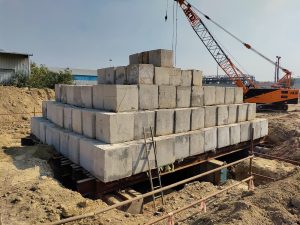

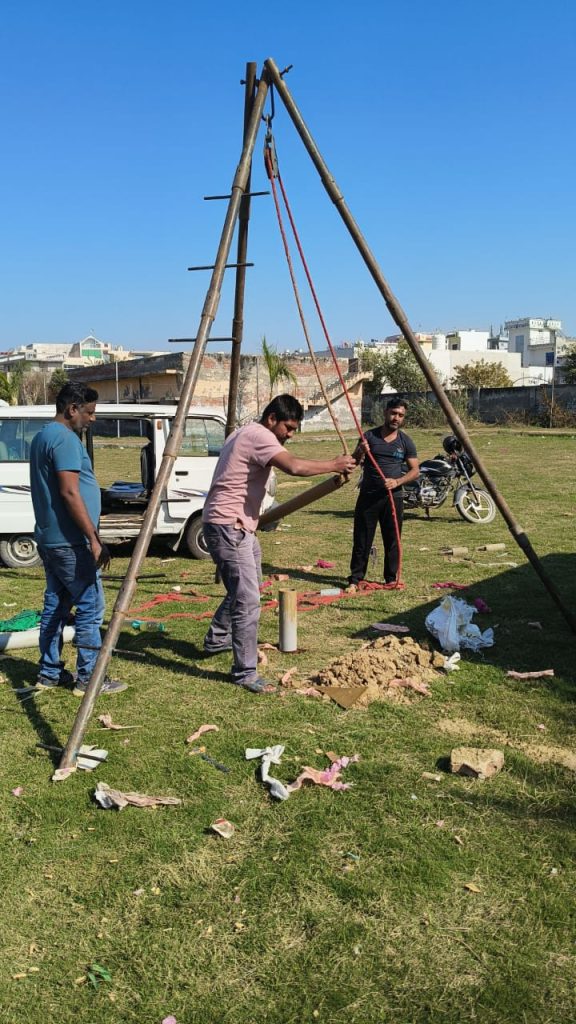
Soil testing in Sonipat is an essential step before starting any construction project, as it helps assess the strength and suitability of the land. Whether you are planning to build a house, a commercial building, or an industrial project, the safety and durability of the structure largely depend on the soil conditions. In many areas, soil characteristics vary significantly, and proceeding with construction without proper soil testing can be risky.
Through soil testing, key properties such as the soil’s load-bearing capacity, moisture content, and overall strength are evaluated. This information enables engineers to design an appropriate and safe foundation for the structure. Proper soil testing helps prevent future issues such as cracks, settlement, or structural failure, ensuring long-term stability and safety of the building.
What Is Soil Testing
Soil testing refers to the process of examining and analyzing the soil at a construction site before starting any building work. This testing is carried out to measure the strength and suitability of the soil for supporting structures such as houses, buildings, roads, or other construction projects. The primary purpose of soil testing is to determine whether the soil is strong enough to bear the weight of the proposed structure.
During soil testing, important soil properties such as quality, strength, moisture content, and load-bearing capacity are evaluated. This analysis helps engineers understand whether the soil is suitable for construction and what type of foundation should be designed for the site.
If construction is carried out without proper soil testing, it may lead to serious problems in the future, such as cracks in walls, ground settlement, or weakening of the building structure. Therefore, conducting soil testing before constructing the foundation is a crucial step to ensure safety, stability, and long-term durability of any construction project.
Types Of Soil Tests
Types of Soil Tests Before Construction
Before starting any construction work, different types of soil tests are carried out to properly understand the strength and quality of the soil. These tests help engineers design a safe and strong foundation. Some of the most important soil tests are explained below:
1. Bearing Capacity Test
This test determines how much load the soil can safely support. It is one of the most important tests for foundation design, as it ensures that the structure will remain stable over time.
2. Moisture Content Test
The moisture content test checks the amount of water present in the soil. Excess water can reduce soil strength and may cause settlement or structural issues in the future.
3. Compaction Test
This test is performed to check how well the soil can be compacted. Proper compaction is essential to create a strong and durable foundation.
4. Atterberg Limits Test
The Atterberg Limits test helps identify the plasticity and behavior of the soil. It shows how the soil reacts to changes in moisture and whether it becomes too sticky or soft.
5. Grain Size Analysis Test
This test analyzes the size of soil particles such as gravel, sand, silt, and clay. It helps in identifying the soil type and selecting the correct construction method.
6. Shear Strength Test
The shear strength test measures the soil’s resistance to sliding or failure. It is important for ensuring slope stability and overall foundation safety.
Benefits Of Soil Testing
Benefits of Soil Testing
Soil testing plays a very important role before starting any construction work. It helps builders and property owners make the right decisions and avoid future problems. Some key benefits of soil testing are given below:
1. Ensures Strong Foundation
Soil testing helps in understanding the strength of the soil. Based on the test results, engineers can design a foundation that is safe, stable, and long-lasting.
2. Prevents Structural Problems
By testing the soil in advance, problems like cracks in walls, uneven settlement, and building failure can be avoided. This increases the safety of the structure.
3. Saves Construction Cost
Proper soil testing reduces the risk of foundation failure and costly repairs in the future. It helps in choosing the right construction method, which saves money in the long run.
4. Improves Safety of the Building
Knowing the soil condition ensures that the building can safely carry the load. This is especially important for multi-storey and commercial buildings.
5. Helps in Correct Foundation Design
Different soil types require different foundation designs. Soil testing provides accurate data for engineers to select the most suitable foundation type.
6. Reduces Risk of Soil Settlement
Soil testing helps identify weak or loose soil layers. This prevents soil settlement and shifting after construction is completed.
7. Useful for All Types of Projects
Soil testing is beneficial for residential, commercial, and industrial construction projects, ensuring durability and stability.
Why is Soil Testing Important in Sonipat, Haryana?
Soil testing in Sonipat is very important because agriculture is one of the main livelihoods in this region. Sonipat district of Haryana has diverse soil types such as sandy loam and loamy soil, which are suitable for crops like wheat, rice, mustard, sugarcane, and vegetables. However, continuous farming and excessive use of chemical fertilizers have reduced soil fertility in many areas. Soil testing helps farmers understand the actual nutrient status of their land and take the right corrective measures.
One of the main reasons why soil testing is important in Sonipat is the imbalanced use of fertilizers. Many farmers apply urea, DAP, and other fertilizers without knowing the exact requirement of the soil. Soil testing provides accurate information about soil pH, nitrogen, phosphorus, potassium, organic carbon, and micronutrients, which helps in applying the right fertilizer in the right quantity.
Soil testing in Sonipat also helps in improving crop yield and reducing input cost. When fertilizers are applied based on soil test results, crops grow healthier and give better yields. At the same time, unnecessary fertilizer expenses are reduced, which increases farmers’ overall profit.
Another important benefit of soil testing is long-term soil health management. Problems such as soil salinity, nutrient deficiency, and declining organic matter are common in many parts of Haryana, including Sonipat. Regular soil testing helps identify these problems early and supports sustainable farming practices like balanced fertilization, use of organic manure, and crop rotation.
Moreover, government initiatives like the Soil Health Card Scheme promote soil testing for farmers in Sonipat. Through soil testing laboratories in Sonipat and nearby areas, farmers can get soil analysis reports and crop-wise fertilizer recommendations, which lead to better farm planning and sustainable agriculture.
Conclusion
Soil testing is a vital practice for sustainable and profitable agriculture in Sonipat. With increasing pressure on land due to continuous cropping and excessive use of chemical fertilizers, understanding soil health has become more important than ever. Soil testing helps farmers in Sonipat identify nutrient deficiencies, maintain proper soil pH, and apply fertilizers in a balanced and scientific manner.
By adopting regular soil testing, farmers can not only increase crop yield and reduce cultivation costs, but also protect long-term soil fertility. Government initiatives like the Soil Health Card Scheme further support farmers by providing easy access to soil testing laboratories and expert recommendations. Therefore, soil testing should be considered a basic and essential step for every farmer in Sonipat to ensure better productivity, environmental safety, and sustainable agricultural growth.